Ubud is Bali's cultural heart, and it takes at least three days to scratch the surface. This itinerary balances famous sites with hidden gems, giving you a mix of culture, nature, and authentic local experiences.
Why Ubud Deserves Three Days (or More)
Most travelers allocate one or two nights to Ubud, and most leave wishing they'd planned more. Unlike Bali's beach towns — where the main activity is lounging — Ubud demands exploration. Within a 30-minute radius, you'll find ancient temples, sacred springs, volcanic rice terraces, hidden waterfalls, artist villages, coffee plantations, traditional dance performances, and some of the best food on the island. Cram all of that into one day and you'll see nothing properly. Three days allows a comfortable pace: one day for Ubud's immediate cultural core, one day for a nature-focused excursion, and one day to venture into the stunning landscapes of East Bali. This itinerary is designed for travelers who want depth, not a checklist. Each day includes a mix of must-see highlights and lesser-known spots, with enough free time built in for wandering, lingering over meals, and following your curiosity wherever it leads. You'll need transport for Days 2 and 3 (the sites are spread too far for walking), but Day 1 is mostly walkable from central Ubud.
Day 1: Temples, Markets & Culture
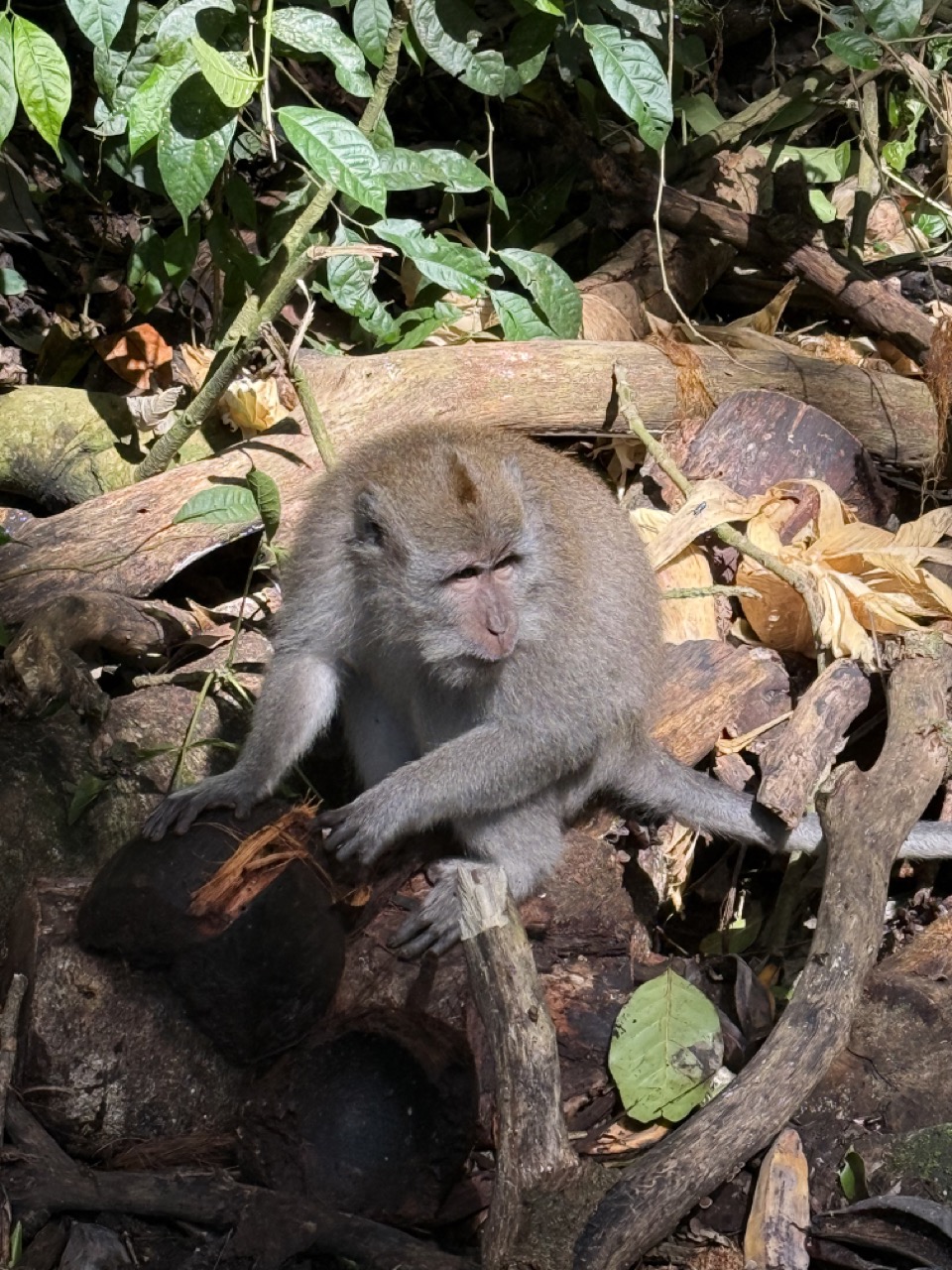
Start early at the Sacred Monkey Forest Sanctuary on Ubud's southern edge. Arrive when it opens at 8:30 AM to beat the crowds and enjoy the cool morning air among ancient banyan trees and mossy stone temples. Spend about 90 minutes here — the forest is larger than it looks from the entrance. Walk north from the Monkey Forest along Jalan Monkey Forest road to the Ubud Art Market, which is liveliest in the morning when local vendors sell handmade crafts, textiles, paintings, and wood carvings. Bargain gently and with a smile. From the market, walk to the Ubud Royal Palace across the street for a quick look at the traditional Balinese architecture. After lunch at one of Ubud's many excellent warungs (try Warung Biah Biah on Jalan Suweta for authentic Balinese food at local prices), drive 30 minutes north to Tirta Empul, the sacred spring water temple. This is one of Bali's most spiritually significant sites, where Balinese Hindus undergo purification rituals in holy spring pools. You can observe or participate. Return to Ubud by late afternoon and catch a traditional Kecak or Legong dance performance at the Royal Palace at 7:30 PM.
Day 2: Waterfalls, Coffee & Rice Terraces
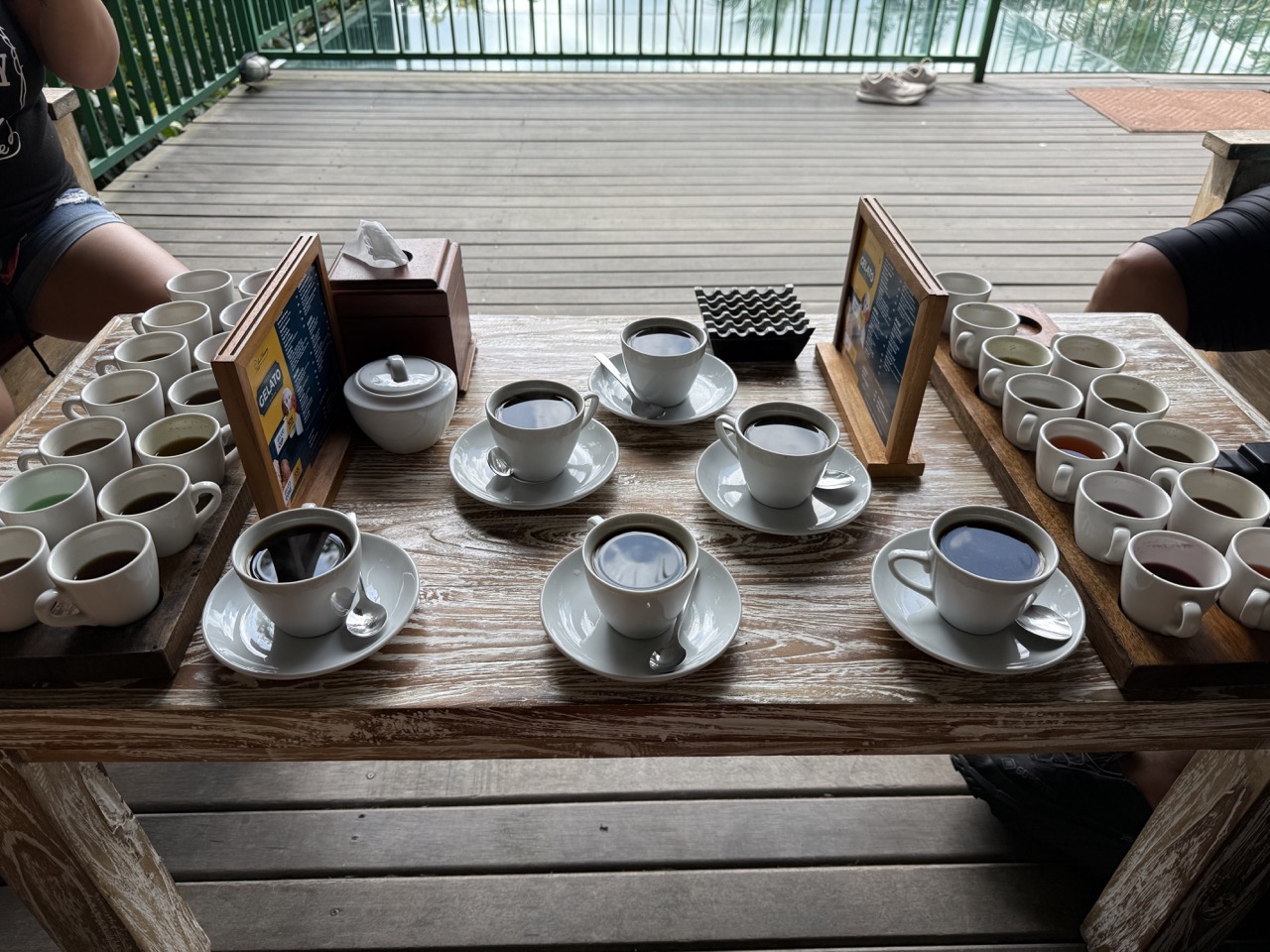
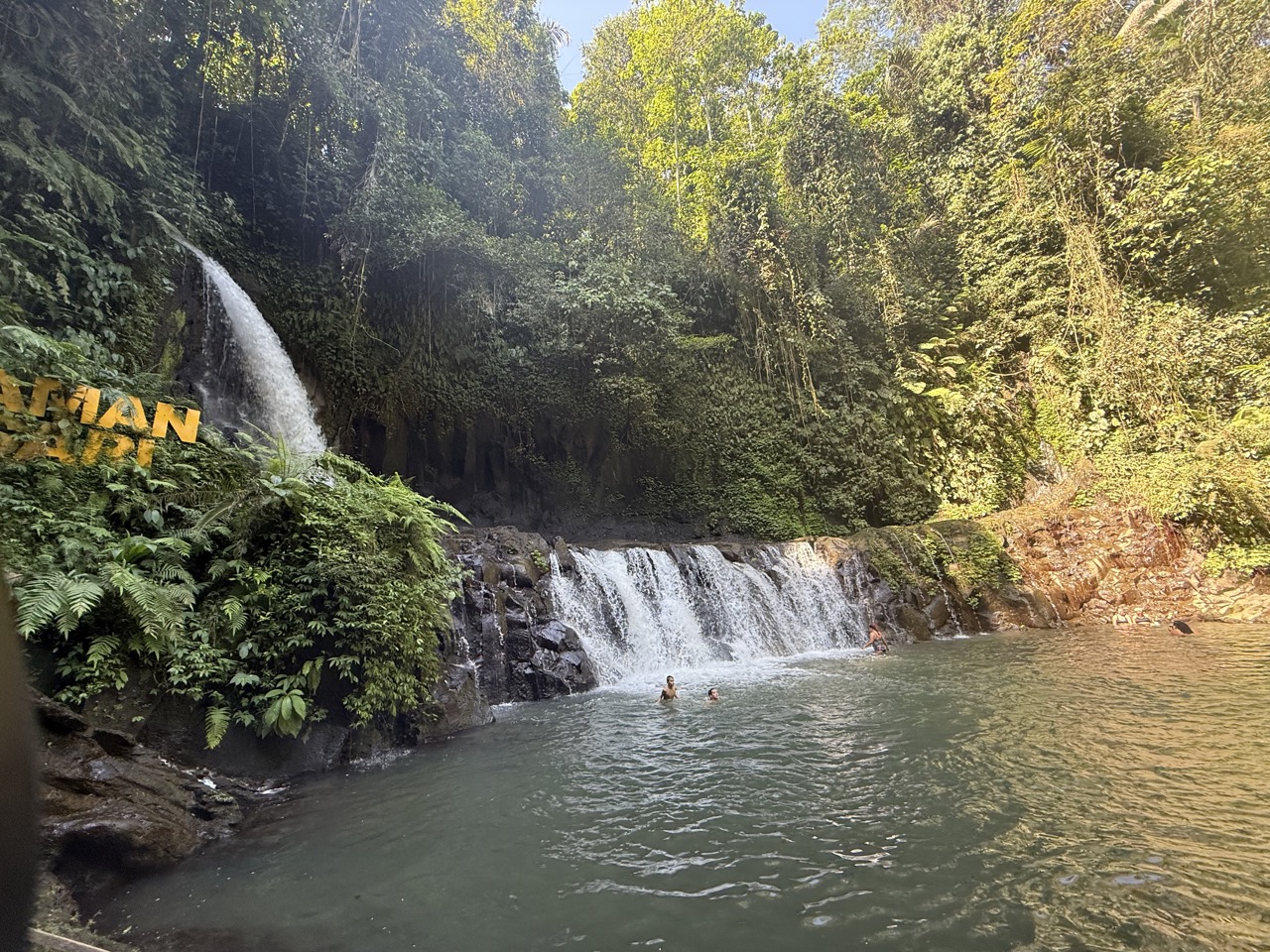
Day 2 requires a full day with a driver, as you'll cover the north-central highlands. Depart by 7:30 AM and head north toward the Kintamani area. Your first stop is Tibumana or Tukad Cepung waterfall — both are within 45 minutes of Ubud and offer spectacular morning experiences (see our waterfall guide for details on each). After the waterfall, continue north through the highlands to a traditional coffee plantation. Several plantations between Ubud and Kintamani offer free tours where you can see how Bali's famous coffee is grown, processed, and roasted, then taste varieties including the controversial kopi luwak. The tastings are free, though the gift shops attached can be overpriced — buy your coffee in Ubud's markets instead. After a lunch stop with views over the Kintamani caldera and Lake Batur (the volcanic crater lake is one of Bali's most impressive sights), loop back toward Ubud via the Tegallalang rice terraces. Arriving mid-to-late afternoon means the worst crowds have cleared and the light is perfect for photography. End the day back in Ubud in time for a massage — treatments here are excellent and remarkably affordable.
Want help planning based on this guide? Message Dek Rut on WhatsApp for personalized recommendations.
Message Dek RutDay 3: East Bali — Sidemen, Villages & Scenic Drives
Your third day is the one most tourists skip, and it might end up being your favorite. Head east from Ubud toward the Sidemen valley, a 1.5-hour drive through increasingly rural and beautiful terrain. The road itself is part of the experience — winding through villages where life revolves around rice farming, stone carving, and temple ceremonies. In Sidemen, take a walk through the rice terraces with views of Mount Agung towering above the valley. The energy here is completely different from Ubud — slower, quieter, and genuinely welcoming. Continue to one of the traditional villages in the area, such as Tenganan, one of the oldest Bali Aga villages where pre-Hindu traditions are still maintained. Villagers weave the rare double-ikat gringsing cloth here, and the village layout follows ancient spatial rules that haven't changed in centuries. The drive back to Ubud can take the scenic southern route through Klungkung, where a quick stop at the Kerta Gosa pavilion — a former court of justice with extraordinary painted ceilings — rounds out the day. This is the kind of day where having a local driver transforms the experience, since the back roads and village connections are impossible to navigate independently.
Where to Stay in Ubud
Ubud accommodation ranges from $15 guesthouses to $500 luxury resorts, and location matters more than star ratings. For walkability to restaurants, shops, and Day 1's sites, stay near Jalan Monkey Forest, Jalan Hanoman, or Jalan Dewi Sita — this central triangle puts you within walking distance of most things. For a quieter, more immersive setting, the areas of Penestanan (west of center) or Keliki (north) offer stunning rice paddy views and a village atmosphere, though you'll need transport to reach town. Budget travelers should look at guesthouses on Jalan Kajeng or Jalan Bisma — simple, clean rooms with rice field views from $15 to $30 per night. Mid-range options like Bisma Eight or the many boutique hotels on Jalan Bisma offer excellent value at $60 to $120. If budget allows, the ravine-side resorts along the Ayung River (Four Seasons, COMO Uma, Hanging Gardens) provide extraordinary settings, though they're isolated from town. Book accommodation with breakfast included — most Ubud guesthouses serve excellent Balinese breakfasts that set you up well for a day of exploring.
Getting Around Ubud
Central Ubud is surprisingly walkable for a town with no real sidewalks. The core area — Monkey Forest, art market, Royal Palace, and the main restaurant streets — covers roughly one square kilometer, and most things are within 15 minutes on foot. Beyond the center, you'll need wheels. For Day 1, walking works for everything except Tirta Empul (30 minutes north by car). For Days 2 and 3, a private driver is essentially necessary — the waterfalls, coffee plantations, rice terraces, and East Bali sites are spread across 50 to 100 kilometers of winding highland roads with no public transport between them. Dek Rut is based in the Ubud area and knows these routes intimately, including shortcuts that avoid the main tourist traffic. If you prefer self-navigation for short trips, Grab is available in central Ubud but becomes unreliable once you're outside town. Scooter rental is common but comes with serious safety considerations (see our private driver guide for an honest assessment). For evening outings, most restaurants can arrange a pickup, or your hotel can call a local driver for short trips.
Want help planning based on this guide? Message Dek Rut on WhatsApp for personalized recommendations.
Message Dek RutWhere to Eat in Ubud
Ubud's food scene punches well above its weight. For authentic Balinese food at local prices, seek out warungs (small family-run restaurants) rather than the tourist-facing places along the main streets. Warung Biah Biah serves traditional dishes like lawar (mixed vegetable and coconut salad) and babi guling (roast suckling pig) for 25,000 to 40,000 IDR per dish. Warung Ibu Oka, made famous by Anthony Bourdain, is the most well-known babi guling spot on the island — expect a line, but the pork is genuinely exceptional. For plant-based food, Ubud is one of the best towns in Asia: Sage, Alchemy, and Moksa offer creative vegetarian and vegan menus with ingredients from local organic farms. Mid-range standouts include Locavore To Go (accessible sibling of the famous fine-dining restaurant), Hujan Locale (modern Indonesian), and Naughty Nuri's (legendary ribs and martinis). For a splurge, Room 4 Dessert offers an extraordinary dessert-focused tasting menu. Wherever you eat, try the fresh fruit juices — Bali's tropical fruits are outstanding, and a fresh mango or passionfruit juice at breakfast is one of life's genuine pleasures.
Need Help Planning Your Bali Trip?
Send me a message and I'll help design your perfect itinerary based on your interests and schedule.
Chat on WhatsAppRelated Tours
Related Services
Custom Tours
Every traveler is unique, and so should be your Bali experience. Tell me your interests, time, and budget, and I'll design a completely custom itinerary just for you. Whether you're seeking spiritual temples, adventure activities, cultural immersion, or hidden natural wonders — I'll craft the perfect journey.
Multi-Day Tours
See more of Bali than most tourists ever do. Multi-day tours let us explore the island's diverse regions — from the volcanic landscapes of the north to the pristine beaches of the south. I'll help coordinate accommodation and plan each day to maximize your experience.